
Doshas on holiday: vacation styles for each constitution
Doshas on holiday: vacation styles for each constitution
 Maddalena
 With summer being a season of travel, holidays, time in nature, and long, warm nights with friends, it’s also a time when our habits may be challenged. The way we respond to these challenges differs from person to person. This article explores the value of habits according to Āyurveda and how different constitutions respond to new impulses, including holidays.
Here’s an overview of the holiday styles that best support each dosha. A simple guide to help you choose a vacation that truly nourishes your nature.
Habits according to Āyurveda
Sātmya does not carry a single fixed meaning in Sanskrit. It can refer to “habit,” but in the Caraka Samhitā it is also defined as “that which is beneficial for an individual.” In Āyurveda, sātmya describes a person’s capacity to adapt harmoniously to particular foods, lifestyles, and environmental conditions without generating disease. It conveys the principle that what suits one person may not suit another, and that genuine health arises from aligning daily habits with one’s constitution (prakriti), regional environment (deśa), seasonal rhythms (ritu), and even one’s level of physical activity (vyāyāma).
A central aspect of sātmya is the principle of gradual adaptation. Āyurveda acknowledges the body’s remarkable ability to adjust, yet it also emphasizes that meaningful lifestyle changes cannot happen overnight. New habits must be introduced slowly, with patience and attentive observation. Abruptly abandoning long‑standing routines or adopting new ones too quickly can create a sense of instability and overwhelm; from an āyurvedic perspective, this kind of sudden change tends to aggravate the vāta dosha.
In essence, habits shape us through regular and consistent practice, but lasting lifestyle change is always a step‑by‑step process.
You might also like: Is fasting good for everyone?
Dosha response to new impulses
A quick step back to the doshas. In Āyurveda, doshas are the fundamental forces that govern how we function on the physical, sensory, and mental levels. These three forces (vāta, pitta, and kapha) are present in everyone, but in different proportions. The unique ratio in which they manifest forms a person’s constitution, which explains why we all look, feel, and think differently. You can imagine it like the “dough” each of us is made from: some doughs are naturally drier, some heavier, some more elastic. Our individual blend of doshas shapes the texture of who we are.
Quick reminder on the doshas and their functions.
VATA: Responsible for movement, control, impulses and rhythm.PITTA: Responsible for heat, metabolism and colour. KAPHA: Provides physical mass, stability and cooling. Whether or not you know your own constitution, you’ll find below an overview of each dosha: how people with a dominant expression of that dosha tend to respond to impulses, and which type of holiday environment supports them best.
The vāta holiday
Vāta‑types thrive on stability. Routine gives them a sense of grounding, something they naturally have in smaller measure and can strengthen through consistent habits and a vāta‑balancing diet. When their daily rhythm is disrupted, as often happens during travel or holidays, this can easily show up as irregular bowel movements or constipation. It’s not a failure; it’s simply how vāta responds to change.
At the same time, vāta‑dominant people are curious, enthusiastic, and drawn to new impulses. They love traveling, exploring, and discovering. Yet their agni — the digestive fire — tends to be delicate and easily disturbed. This applies not only to food but also to emotions, sensory impressions, and new experiences. Because of this, vāta can become overwhelmed by the very adventures they long for, much like they may overeat out of excitement and only later realize it was too much when bloating or heaviness sets in.
This does not mean vāta‑types should avoid travel. But they do benefit from being mindful of how and where they travel.
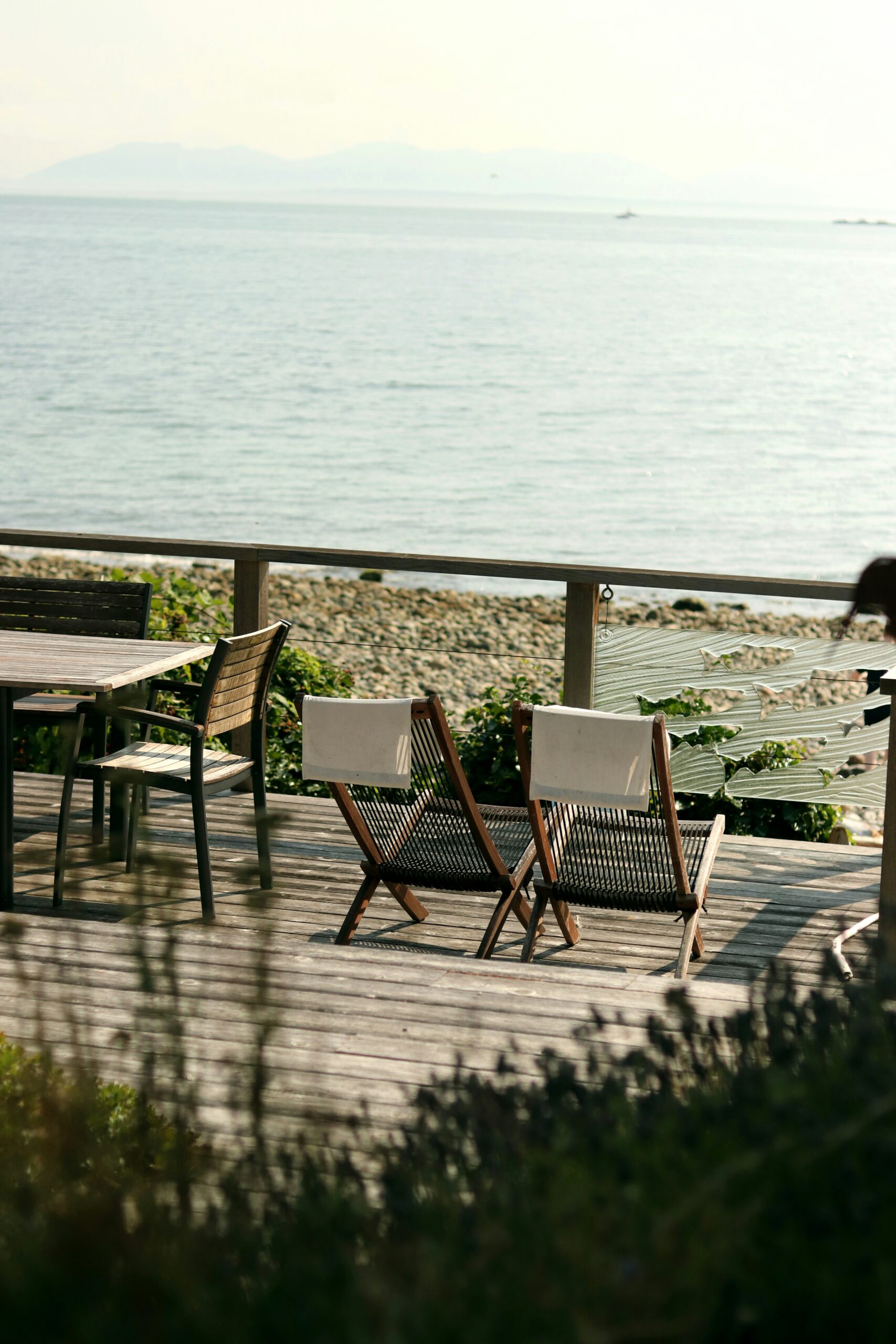
What pacifies vāta
-
Routine and predictability — regular meals, regular sleep, regular rhythm
-
Warmth and nourishment — warm food, warm drinks, warm environments
-
Nature and calm settings — forests, lakes, quiet countryside
-
Gentle pacing — slow mornings, fewer transitions, time to settle
-
Grounding practices — oil massage, meditation, slow breathing
-
Moisture and lubrication — sesame oil, ghee, hydrating foods
What aggravates vāta
-
Irregular schedules — skipped meals, unpredictable days
-
Excess travel — especially frequent trips or rapid changes of place
-
Long flights or train rides — they increase dryness and movement in the body
-
Cold, windy, or noisy environments — big cities, hectic atmospheres, overstimulation
-
Too many new impulses at once — crowded places, intense sightseeing, constant novelty
-
Dry or light foods — salads, crackers, raw foods, cold drinks
So if a vāta‑type spends long hours traveling and then lands in a peaceful, natural environment, their vāta will settle and balance can return quickly. But if the destination is a busy city full of noise, movement, and sensory overload, vāta may stay elevated throughout the trip, and it may take a bit longer to come back into equilibrium afterward.
The pitta holiday
Pitta‑types naturally bring method, structure, and focus to whatever they do. This makes them excellent at adopting new habits and following them with precision. Yet this strength can easily flip into a competitive mindset, sometimes with others, often with themselves. Simple tasks can become personal challenges they feel compelled to excel at, and a touch of perfectionism is never far away. Their digestion is strong, which means new impulses, experiences, and information are generally processed with ease.
During holidays, excess pitta often shows up mentally as over‑planning and over‑controlling: wanting to be productive even while resting, maximizing every moment, and trying to see and do as much as possible. Physically, hot summer temperatures (or traveling to hot destinations in winter) increase pitta. When pitta overheats, the digestive fire burns too intensely, pushing food through the system too quickly and resulting in softer stools.
So what should pitta do? Slow down. Relax. Take a break from thinking, planning, and optimizing. Enjoy small moments without trying to be productive, and gently set aside the fear of missing out. For pitta‑types, a “coolcation” — a holiday in a cooler climate — is often the perfect antidote.
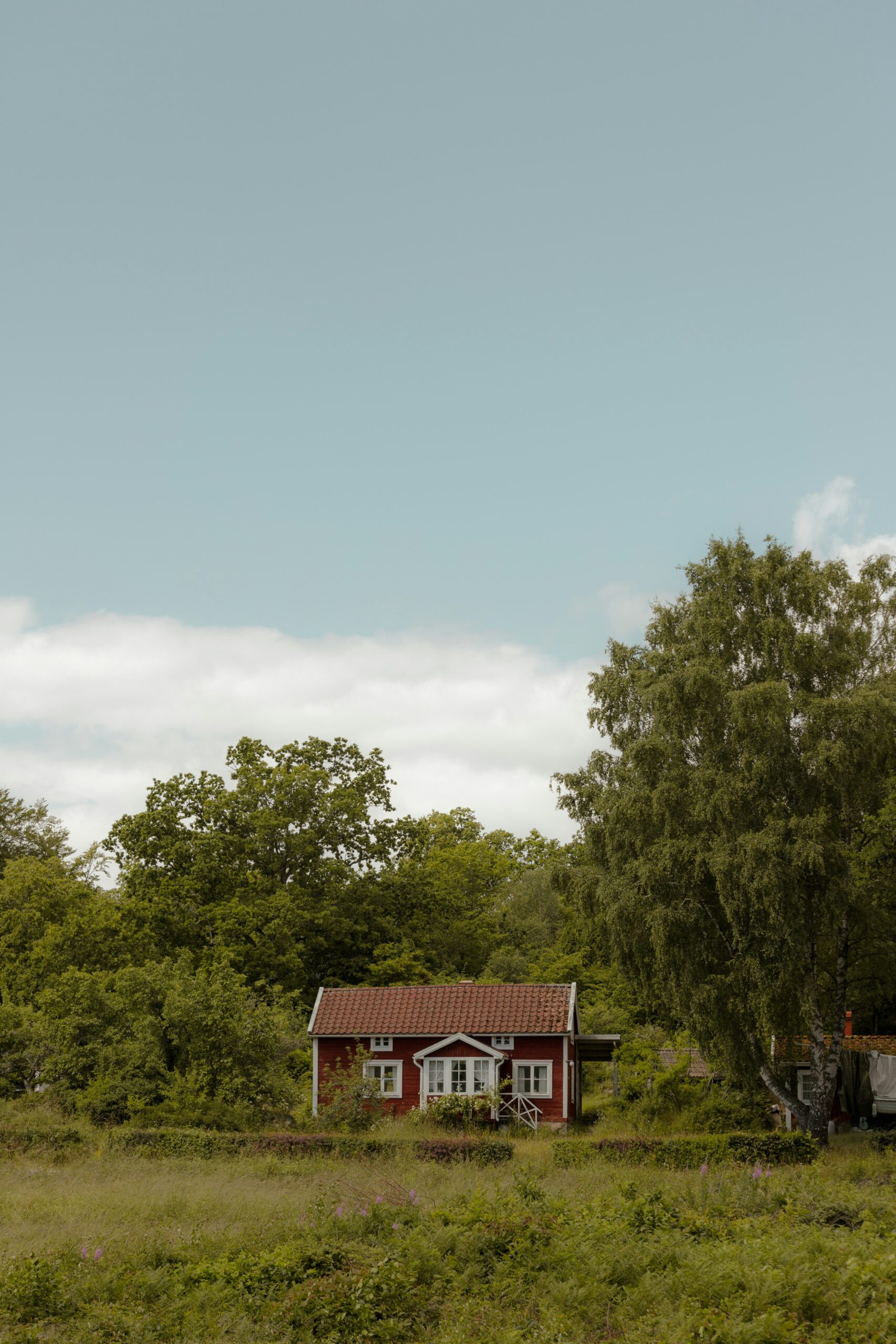
What pacifies pitta
-
Cool environments — mountains, lakes, forests, fresh air
-
Moderation and spaciousness — slower pacing, fewer activities, unstructured time
-
Relaxation — rest, play, creativity without goals
-
Cooling foods — sweet, bitter, and astringent tastes
-
Water and nature — swimming, shade, gentle breezes
-
Letting go of perfectionism — embracing “good enough”
What aggravates pitta
-
Heat — hot climates, summer sun, saunas, spicy foods
-
Over‑planning — tight schedules, rigid itineraries, productivity mindset
-
Competition and pressure — performance goals, self‑imposed challenges
-
Excess intensity — crowded cities, loud environments, overstimulation
-
Alcohol and fried foods — they add heat and irritability
-
Pushing too hard — overworking, overexercising, overachieving
A pitta‑type who travels to a cool, calming environment will naturally unwind and return to balance. But a trip to a hot, hectic city may keep their pitta elevated throughout the holiday and they may need extra time afterward to cool down, soften, and restore equilibrium.
The kapha holiday
Kapha‑types tend to adopt new routines slowly. They often settle comfortably into familiar patterns and may become passive or resistant to change. Yet once they commit to a habit, they are remarkably steady and loyal. Their consistency is one of their greatest strengths. This is mirrored in their digestion: stable, but slow. Kapha can process new impulses, but it does so gradually. The fewer stimuli they receive, the more sluggish and lethargic they become. For kapha, movement, travel, and fresh challenges are essential to prevent dosha aggravation and to keep energy flowing.
Among all constitutions, kapha‑types generally tolerate the stress of travel best. In fact, holidays in lively cities — with their activity, stimulation, and variety — can help kapha feel more awake, inspired, and vital. A structured holiday schedule can even spark motivation and enthusiasm.
Summer, however, brings its own temptations: rich foods, ice creams, late dinners, and indulgent treats. Kapha‑types need to be especially mindful here, choosing lighter, warm, and gently spiced meals that support digestion rather than weigh it down.

What pacifies kapha
Movement and stimulation — travel, new environments, new experiences
Activity and structure — planned schedules, purposeful days, gentle challenges
Warm, light foods — cooked meals, warming spices, soups, stews
Dry, warm environments — sunshine, saunas, dry heat
Social engagement — meeting people, exploring, participating
Variety — changing scenery, new hobbies, fresh impulses
What aggravates kapha
Sedentary routines — too much rest, too much comfort, too much sameness
Heavy, cold foods — ice cream, fried foods, dairy, late-night meals
Damp or cold climates — fog, humidity, cold weather
Oversleeping — long mornings in bed, excessive napping
Lack of stimulation — staying home too long, avoiding new experiences
Emotional stagnation — holding on, withdrawing, becoming overly passive
A kapha‑type who travels to a dynamic, stimulating environment often returns home feeling lighter, brighter, and more energized. But if they spend their holiday in a very quiet, passive setting with heavy foods and little movement, kapha may accumulate and they may need extra activity afterward to restore balance.
How to understand holidays in conclusion
In the end, exploring how each dosha responds to holidays is simply another way of understanding how deeply individual our needs truly are. No holiday is inherently “good” or “bad”, what matters is how well its qualities match the inner landscape of the traveler. When we choose environments, rhythms, and experiences that support our constitution, holidays become more than a break from routine. They become a way to return home to ourselves, feeling steadier, clearer, and more aligned.
Please note: all the content produced for this blog is entirely human-made and has not been originated with the use of AI. To improve readability, the diacritical marks typically used in transliterated Sanskrit have been omitted.
Related Posts

Is fasting good for everyone?